Catalyzing Resources. Creating Value.
Turning Waste & Biomass into Valuable Resources
Developing catalytic and thermochemical technologies for fuels, chemicals, hydrogen and sustainable resource recovery.
Converting difficult-to-recycle plastic waste into targeted naphtha-range hydrocarbon products.
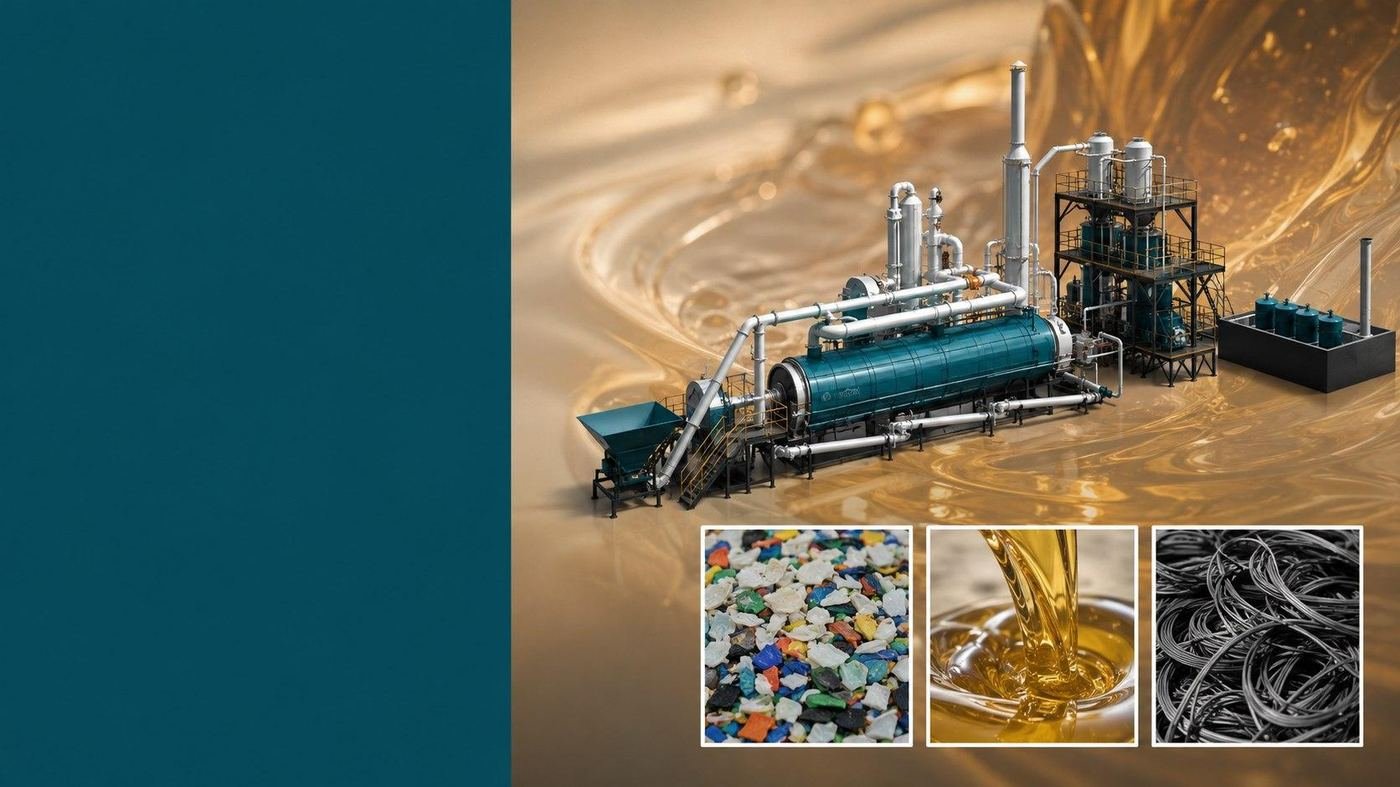
A chemical engineering & catalysis deep-tech company
Ecocatalix Technologies Pvt. Ltd. develops catalytic and thermochemical processes that convert waste plastics, biomass and other renewable resources into fuels, chemicals, hydrogen, hydrocarbon feedstocks and carbon-rich materials. The company works at the intersection of chemical engineering, heterogeneous catalysis, reaction engineering and process scale-up — building a technology portfolio rather than a single product.
India's Plastic Waste Is a Stranded Asset
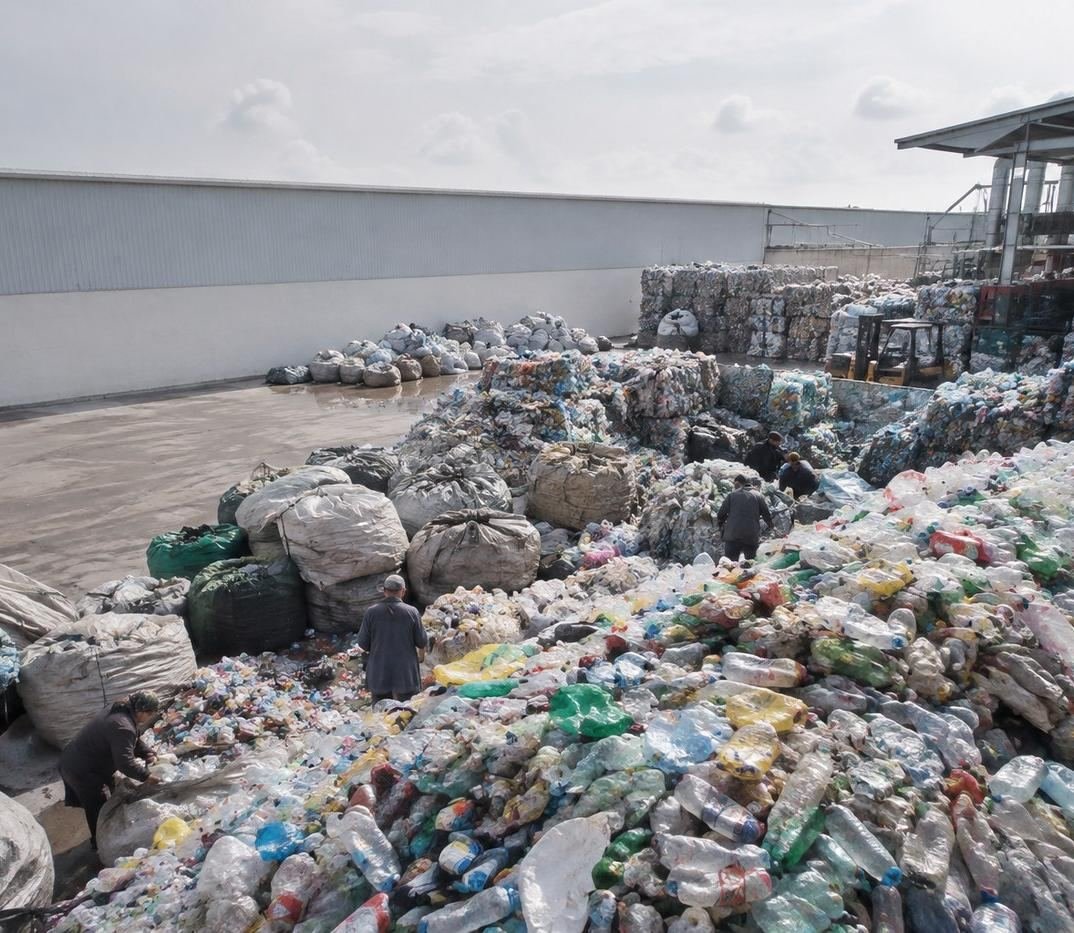
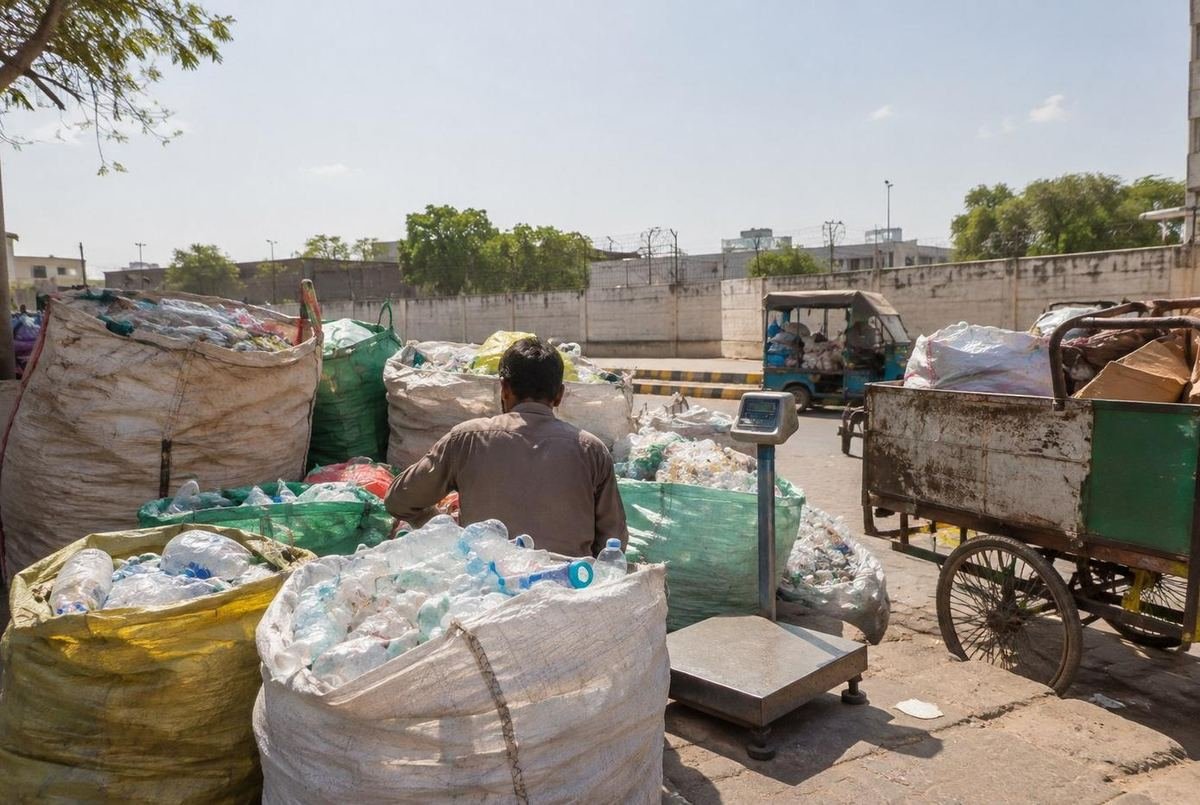
Plastic waste generation in India has nearly tripled in under a decade, and a large share of it — mixed, contaminated, low-value polyolefin film — falls completely outside the reach of mechanical recycling. It doesn't get recycled; it gets landfilled or openly burned.
Agricultural residues face a parallel problem: large, decentralized volumes of underutilized biomass carbon with no straightforward route to clean fuels or hydrogen.
Source: Central Pollution Control Board (CPCB) data as cited in company analysis. This is the structural gap Ecocatalix is built to close.
Catalytic Plastic-to-Naphtha
A two-stage thermochemical process — continuous depolymerisation followed by in-line catalytic upgrading — narrows the product slate to the naphtha range, targeting a cleaner, lighter, higher-value output than conventional thermal pyrolysis oil.
Non-Condensable Gas
Recycled as process fuel rather than flared or vented.
Carbon Residue / Char
Sold for industrial applications today; research is ongoing into higher-value functional materials.
Plastic-to-Naphtha is the flagship commercialization opportunity — alongside a broader portfolio of waste-to-value and catalytic process technologies
Plastic-to-Naphtha
Conversion of waste polyolefins into naphtha-range hydrocarbon products through thermochemical conversion and catalytic upgrading.
Explore Technology →Biomass-to-Hydrogen
Conversion of agricultural residues into hydrogen-rich gas through integrated pyrolysis and catalytic steam reforming.
Explore Technology →Waste-to-Chemicals
Converting waste-derived and renewable feedstocks into value-added chemical intermediates.
Explore Technology →Waste-to-Fuels
Thermochemical and catalytic pathways turning waste feedstocks into useful hydrocarbon fuels and feedstocks.
Explore Technology →Catalysis & Reaction Engineering
Heterogeneous catalyst development, catalytic cracking, steam reforming, reaction kinetics and reactor engineering.
Explore Technology →Separation & Purification
Adsorption, hydrogen and CO₂ purification, and hydrocarbon product polishing.
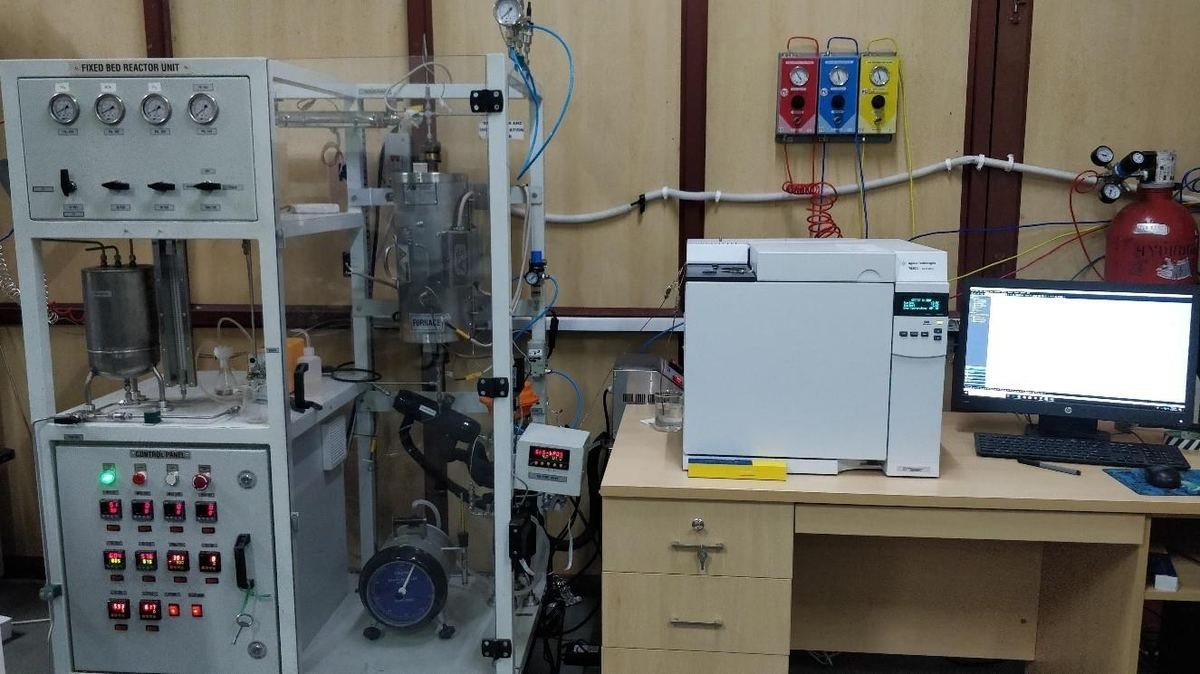
Explore Technology →Lab-Validated, Not Just Theoretical
Seven catalysts (A–G) were screened on HDPE feedstock via Detailed Hydrocarbon Analysis, measuring naphtha selectivity and fuel-grade physical properties.
Oxygenated compounds: negligible. Viscosity: 0.739–1.29 mm²/s. Laboratory performance may vary depending on feedstock, catalyst formulation and operating conditions.
Scale-up Pathway
5 TPD, target 2027
First commercial plant target: 5 TPD (target 2027), expandable to 8–10 TPD without civil redesign, and subsequently to multi-module clusters. Figures are project targets and design basis, not an existing commercial plant.
Built by chemical and process engineers

Dr. Piyush Pratap Singh
Founding DirectorPhD (IIT Ropar), Chemical Engineering — Process R&D Specialist

Shubham Singh
Co-founderM.Tech Mechanical Engineering (IIT Ropar) · Ex-CTO, uBreathe
Creating More Value from Every Resource
Figures above are project targets / design-basis estimates for the first planned commercial module, not measured results from an operating plant.
Let's Build the Next Generation of Resource Conversion Technologies
For industrial partners, petrochemical and chemical companies, waste-management organizations, biomass suppliers, research institutions, engineering firms, technology partners and investors.