Catalytic Plastic-to-Naphtha
Waste In, Naphtha-Range Hydrocarbon Out — a proprietary two-stage thermochemical process targeting a cleaner, lighter, higher-value product than conventional thermal pyrolysis oil.
Catalytic Pyrolysis: Waste In, Refinery-Ready Naphtha Out
A two-stage thermochemical process — continuous auger-fed depolymerisation followed by in-line vapour-phase catalytic cracking — narrows the product slate to the naphtha range.
Depolymerisation
Oxygen-free thermal breakdown of polymer chains into hydrocarbon vapours inside a continuous auger reactor.
Catalytic Upgrading
Vapours pass over a proprietary fixed-bed catalyst, narrowing the carbon range to naphtha-grade C5–C12/C18.
Condensation & Purification
Staged condensation and adsorptive purification isolate refinery-ready naphtha from water, char and gas.
Full Process Flow
Non-Condensable Gas
Recycled as process fuel rather than flared or vented.
Carbon Residue / Char
Sold at an industrial-applications grade today; R&D is ongoing to upgrade it further into higher-value functional materials.
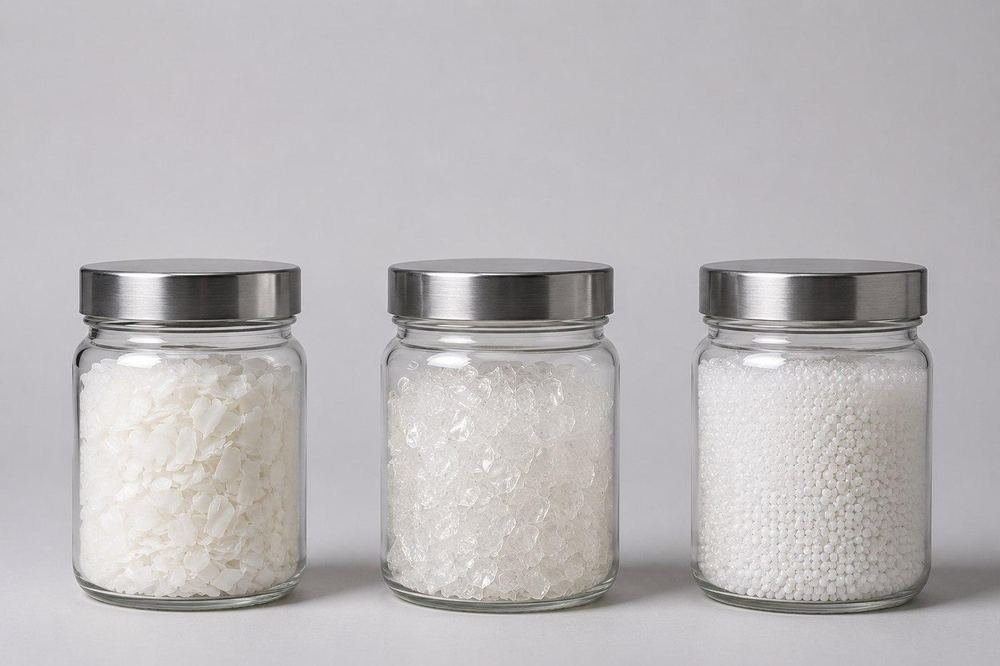
Applications targeted for the naphtha-range product: hydrocarbon feedstock, fuel-range products, naphtha-range products, and chemical feedstock. Product quality, specifications and regulatory status are subject to testing and are not claimed to meet any specific standard here.
What Makes This Different
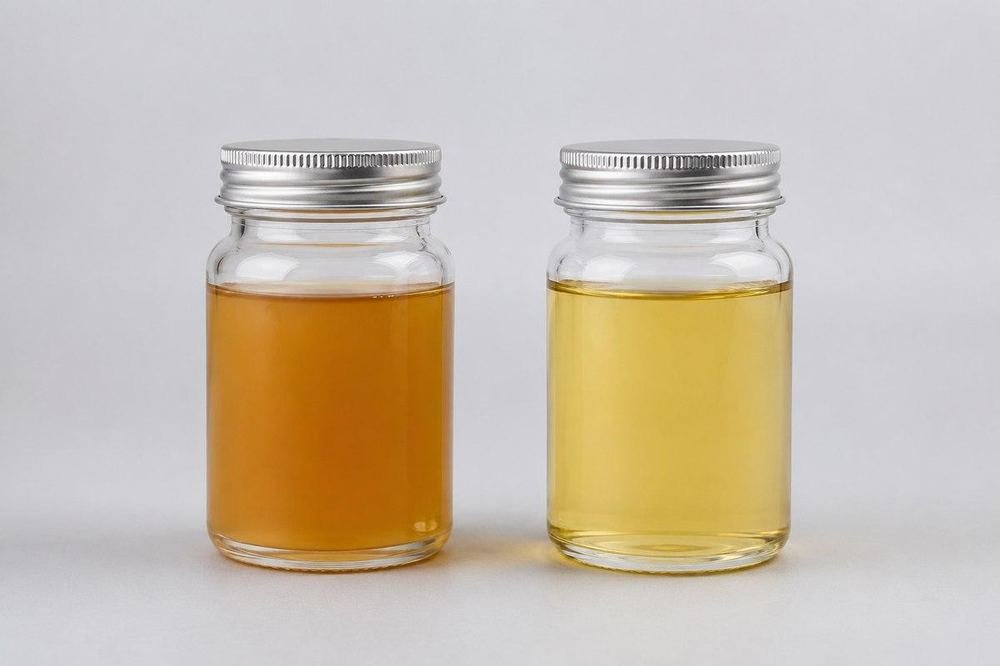
Conventional thermal pyrolysis and Ecocatalix's catalytic process start from the same waste feedstock — the catalytic upgrading step is what changes the economics of the output.
| Parameter | Conventional Pyrolysis | Ecocatalix Catalytic Process |
|---|---|---|
| Carbon number range | C5–C40+ | C5–C18 |
| Product appearance | Dark brown / black | Pale yellow to straw |
| Typical selling price basis | Fuel-oil grade | Naphtha / petrochemical feedstock |
| Energy recovery | NCG often flared / vented | NCG recycled as process fuel |
Comparison as reported in company process-development documentation; conventional-process figures are typical ranges, not measurements of a specific competitor.
Lab-Validated, Not Just Theoretical
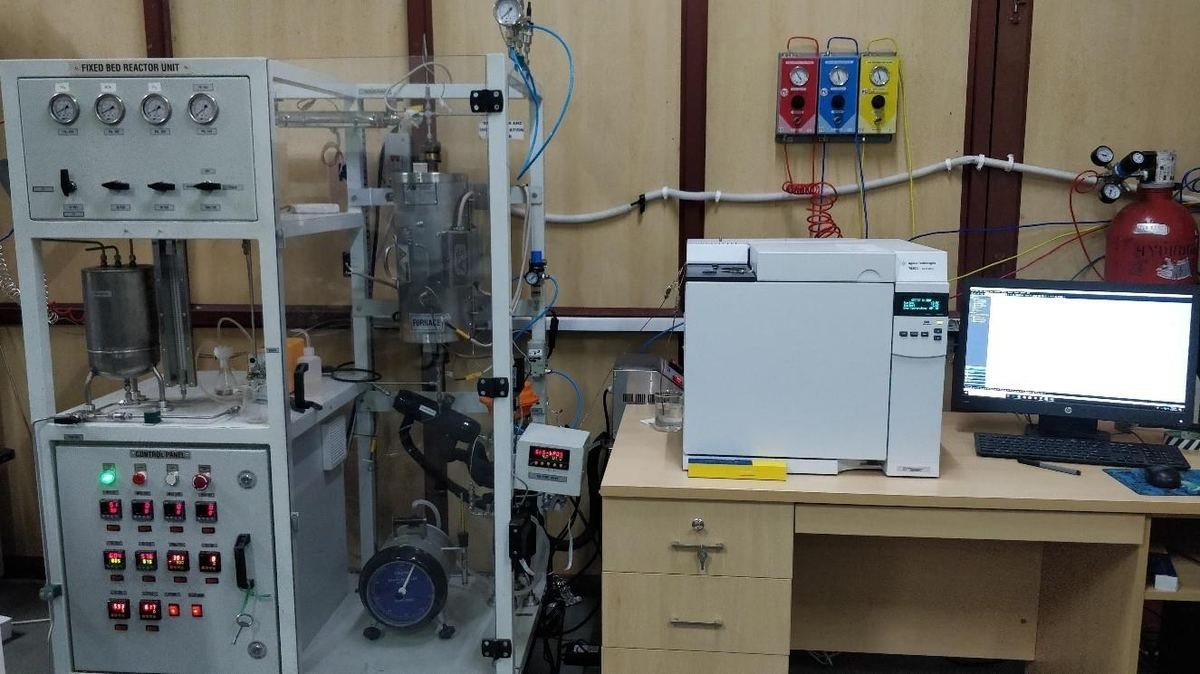
Seven catalysts (A–G) were screened on HDPE feedstock via Detailed Hydrocarbon Analysis, measuring naphtha selectivity and fuel-grade physical properties.
| Property | Measured range |
|---|---|
| Density | 0.667–0.785 g/cm³ |
| Calorific value | 9,862–10,932 cal/g |
| Viscosity | 0.739–1.29 mm²/s |
Laboratory performance may vary depending on feedstock, catalyst formulation and operating conditions.
First Commercial Plant — 5 TPD (Target 2027)
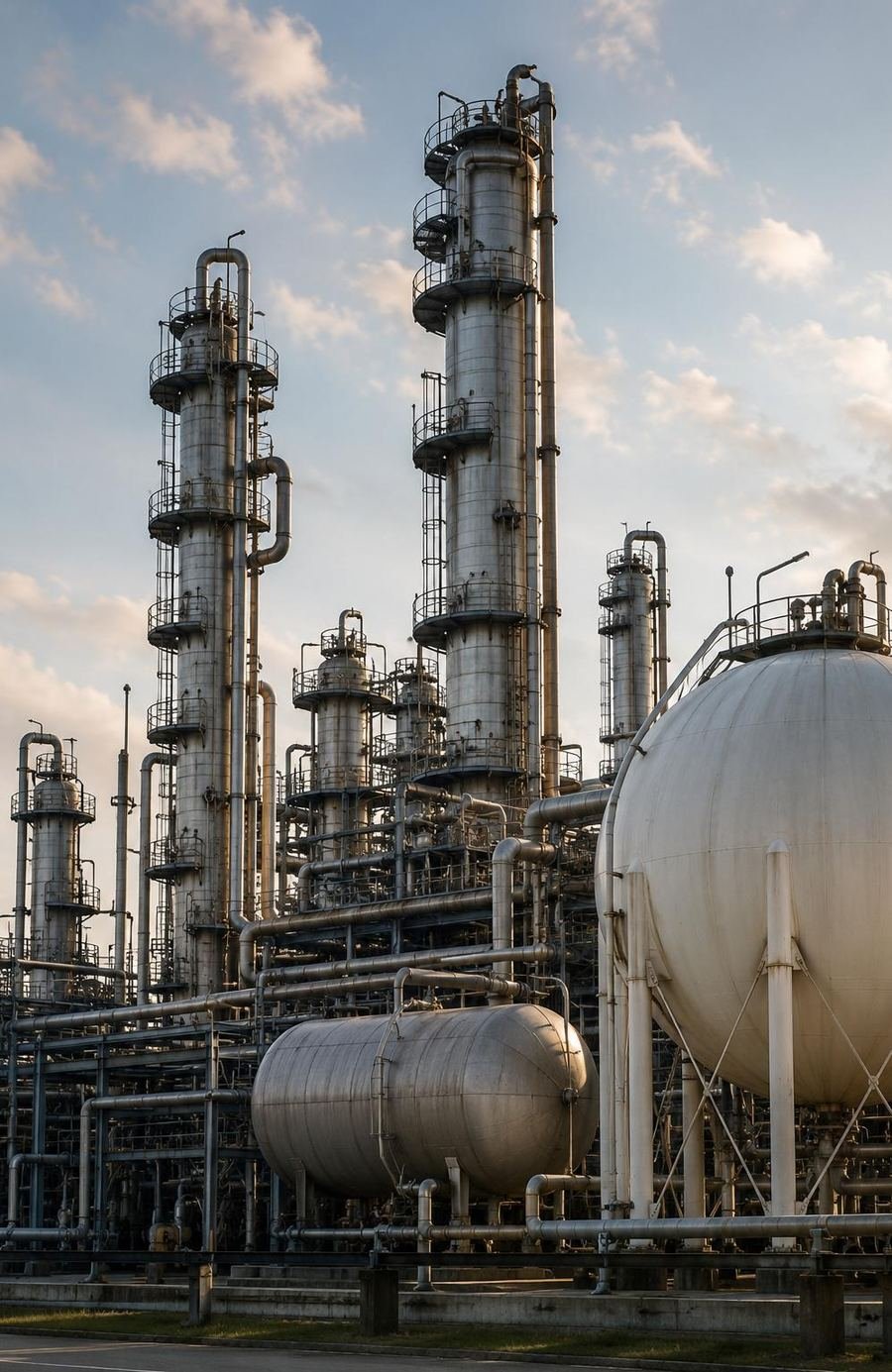
Capacity: 5 TPD (target 2027), expandable to 8–10 TPD with no civil redesign. Schedule: 300 days/yr. Feedstock requirement: 1,500 MT/yr mixed HDPE / LDPE / PP feedstock.
| Stream | Share | Annual volume (target) | Indicative value |
|---|---|---|---|
| Naphtha-grade oil | 70% | 1,050 MT/yr | ₹65+/kg |
| Carbon residue / char | 10% | 150 MT/yr | ₹8/kg |
| Non-condensable gas | 20% | 300 MT/yr | Recycled as process fuel |
The 5 TPD module is designed to scale to 8–10 TPD, and subsequently to multi-module clusters, with no civil redesign — a design intent, not a completed installation. The ₹65/kg figure reflects a conservative lower-end market value in the company's planning assumptions; with ISCC certification, upgraded naphtha-grade oil could potentially command a higher price, though this is an upside estimate, not a committed sale price. All figures on this page are design targets unless otherwise stated.
Three Revenue Streams
Naphtha-Grade Oil Sales
Targeted at petrochemical refineries, solvent blenders and industrial fuel users, at a planning price of ₹65+/kg.
Carbon Residue / Char
Sold at ₹8/kg for industrial applications; R&D is ongoing to further upgrade it into higher-value functional materials.
EPR Credit Certificates
An indicative ~₹5/kg of feedstock processed under the Plastic Waste Management Rules, 2022 — not included in base-case planning figures.
Target Customer Segments
The following are target / prospective customer segments identified in company planning, not confirmed customers, contracts or partnerships.
 01
01Petrochemical Refineries
Primary target buyer for naphtha-grade oil as a refinery feedstock substitute.
 02
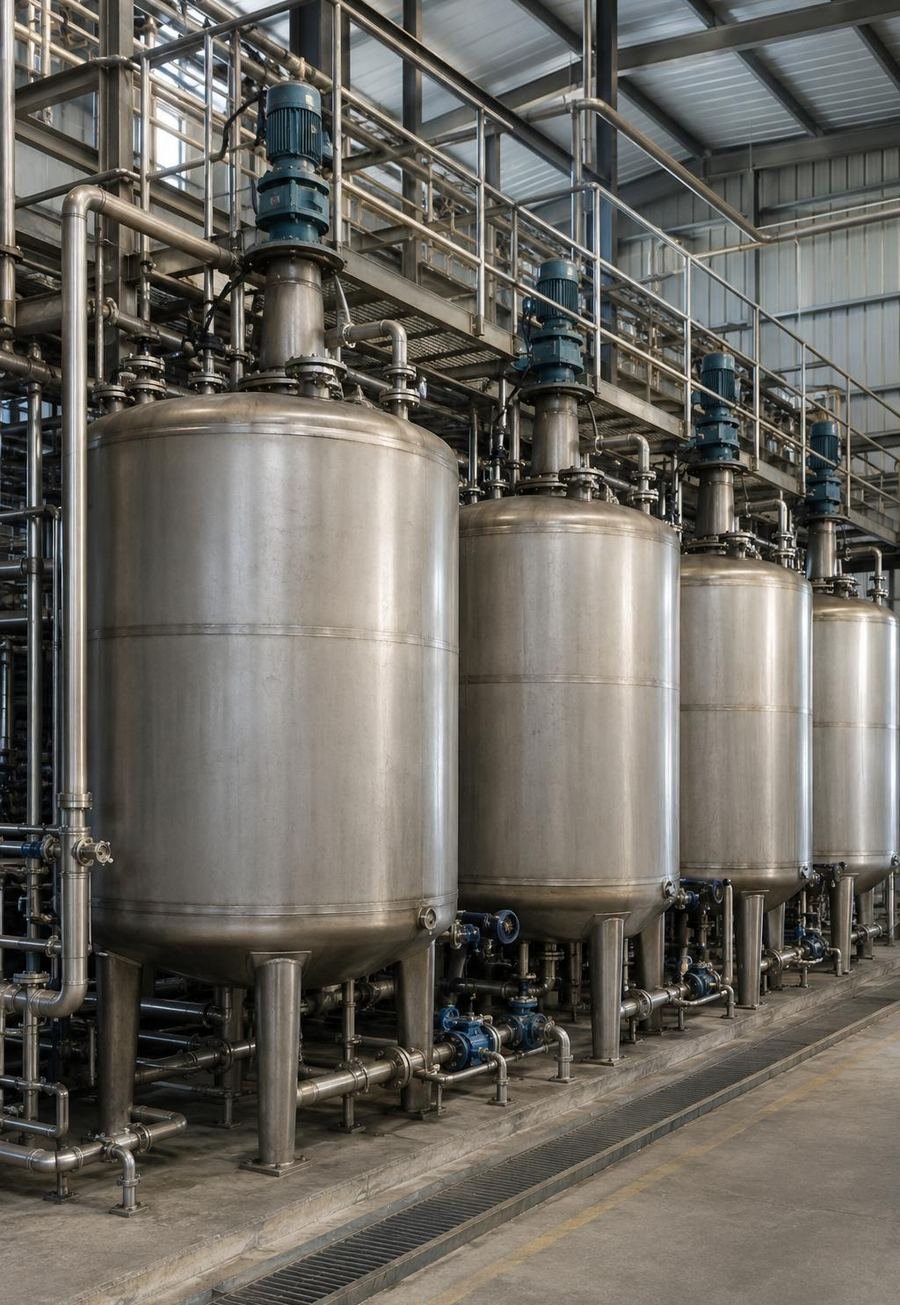
02Solvent & Chemical Blenders
Industrial buyers blending naphtha-range hydrocarbons into downstream products.
 03
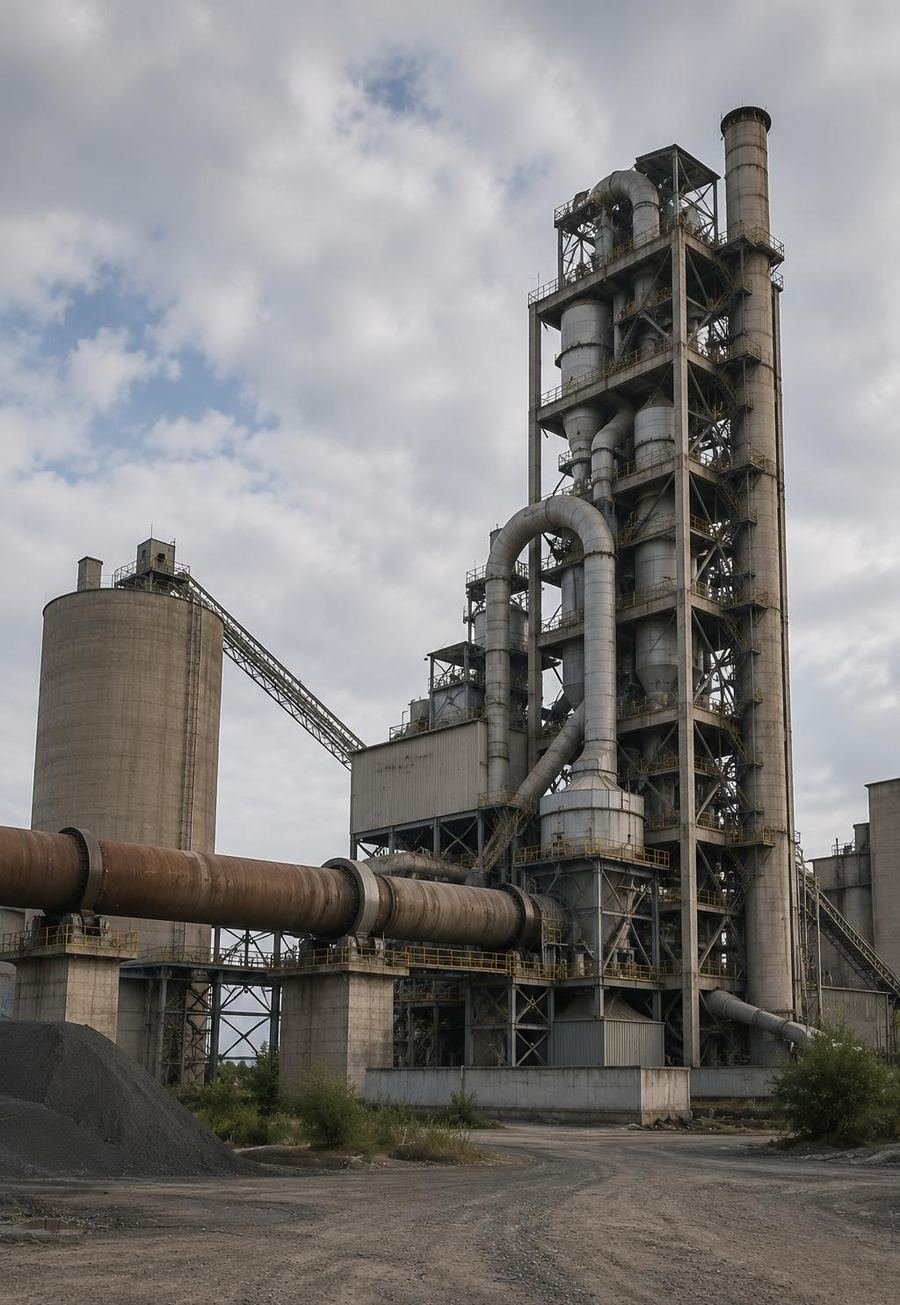
03Industrial Fuel Users
Boiler / furnace operators — cement, brick, glass, steel — as potential heating-fuel users.
EPR Obligated Entities
Brand owners and producers that may purchase EPR credit certificates to meet Plastic Waste Management Rules, 2022 compliance targets.
Feedstock Is Not the Constraint
India generates an estimated 4.13–4.14 MTPA of plastic waste (CPCB), growing at an estimated 5.2–6.1% CAGR. A large share — mixed, low-value polyolefin — remains uncollected or under-valorised by formal recycling.
The first plant's requirement of 1,500 MT/yr is well under 5% of state-level daily generation in comparable industrial states.
Illustrative case data point: reported plastic-waste generation in one state rose from 378 to 54,066 t/yr between 2014 and 2018 (CPCB). Used illustratively only — the project is not tied to this state and is designed for pan-India replication.
Market Drivers & Size Estimates
India-specific drivers
Strategic and economic priorities around reducing reliance on crude/naphtha imports; the Plastic Waste Management (PWM) Rules, 2022 mandating EPR compliance for producers and brand owners; the Swachh Bharat Mission's national waste-infrastructure push; and a stated government direction toward single-use plastic phase-out.
Market size estimates
| TAM — Total Addressable Market | ₹7,500 Cr (~$900M) |
| SAM — Serviceable Addressable Market | ₹800 Cr |
| SOM — Serviceable Obtainable Market | ₹6.95 Cr/yr |
TAM is estimated as 4.14 MTPA total plastic waste × ~40% addressable polyolefin fraction × 70% oil yield × ₹65/kg naphtha price. SAM reflects a realistic serviceable market across a four-state industrial cluster (Gujarat, UP, Punjab, Maharashtra) per company feasibility analysis. SOM reflects the first commercial plant target (5 TPD, target 2027). These are market-sizing estimates, not revenue projections or achieved sales. Waste-volume data: Ministry of Environment, Forest & Climate Change / CPCB, cited via Lok Sabha, December 2024.
Projected Impact at Target Capacity
All figures in this section are design-basis estimates for the planned first commercial module, not measurements from an operating facility.